If you have lower back pain that radiates into your leg, you’re not alone. This type of pain is often caused by nerve irritation or compression and can feel sharp, burning, or like a tingling sensation. In this article, we’ll explain what causes back pain with leg pain and show you how to manage it safely at home.
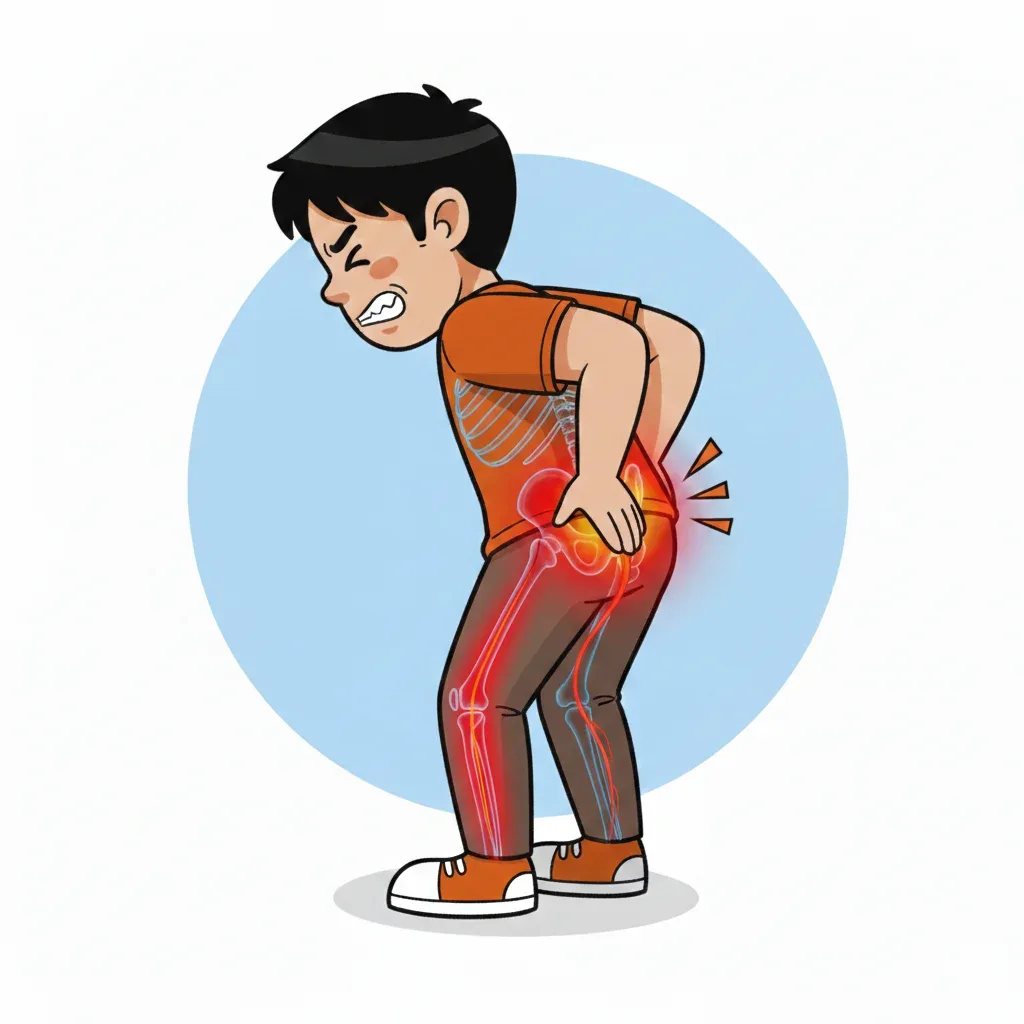
The most common reason for lower back pain that travels down the leg is pressure on the sciatic nerve — a condition known as sciatica. It is most often caused by:
Herniated disc
Spinal stenosis (narrowing of the spinal canal)
Piriformis syndrome (muscle irritation pressing on the sciatic nerve)
Pain that starts in the lower back or buttock and travels down one leg
Sharp, burning, or shooting pain
Tingling, numbness, or weakness in the leg or foot
Pain that worsens when sitting, coughing, or sneezing
If you experience sudden leg weakness
Loss of bladder or bowel control
Severe pain that doesn’t improve after a few days
Numbness in the groin area or both legs
These exercises help release tension on the sciatic nerve without irritation. Example:
Sciatic nerve glide:
Sit on a chair, straighten one leg, flex your foot toward you
Lower the leg and relax
Repeat 10 times each side
Tight muscles around the hips and legs can worsen nerve irritation. Try:
Piriformis stretch:
Lie on your back, cross one ankle over the opposite knee, and pull the leg toward your chest
Hold for 30 seconds
Weak core muscles place more stress on the spine. Add exercises like:
Bird-dog
Glute bridges
Side planks
These movements can worsen nerve irritation. Keep activities light until symptoms improve.
Mild cases may resolve in a few days or weeks. Persistent or severe cases may require physical therapy or medical intervention. Early exercise and posture correction can speed up recovery.
Lower back pain that radiates into the leg is most often caused by nerve irritation or compression. With the right stretches, strengthening exercises, and activity adjustments, most cases can be managed at home. But always consult a doctor if symptoms are severe or worsening.

 February 13, 2026
Lower back pain is common and, in most cases, manageable with rest, exercises, and lifestyle adjustments. But sometimes, pain is a sign that something more serious is going on. In this article, we’ll explain when lower back pain is more than just discomfort — and when you should see a doctor immediately.
 January 10, 2026
Exercise is a powerful tool for improving health and mobility—but not all exercises are suitable for everyone. If you’re struggling with lower back pain, certain movements can do more harm than good. In this article, I’ll walk you through five popular exercises that can actually worsen lower back pain, and I’ll suggest safer alternatives to keep your spine healthy and pain-free.
 January 10, 2026
Do you wake up with lower back pain that gets better as the day goes on? Morning back pain is a common complaint and can have several causes, from sleeping positions to underlying conditions. In this article, I’ll explain why lower back pain happens in the morning and how you can prevent it for good.
 REHUB
REHUB